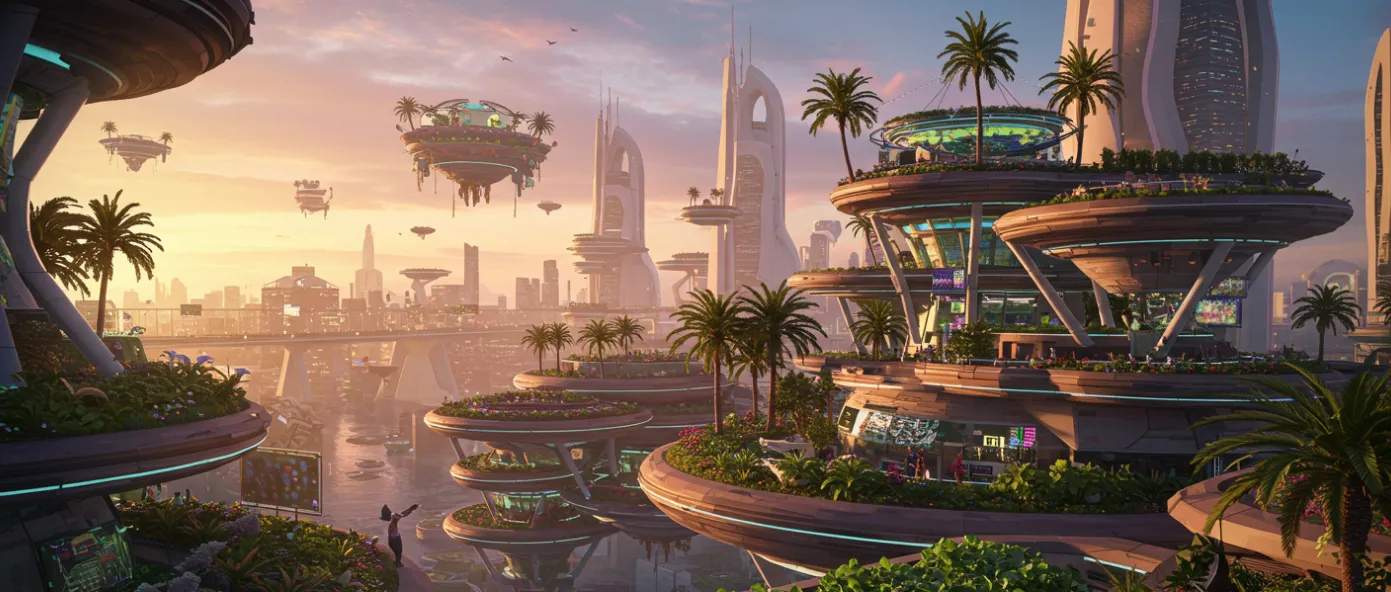
International Design Day (IDD) 2025, a key event for reflecting on the future of design, presents us with a provocative theme: “Outlandish Optimism.” This theme isn’t a mere invitation to superficial positivity, but a strategic call to action for designers of every discipline, and especially for those of us who shape digital experiences. You can learn more about the initiative on the official International Design Day 2025 website.
In a global context where narratives of pessimism and doom often cloud the horizon, “Outlandish Optimism” stands as a beacon of active hope for the future of design. It isn’t about ignoring the challenges we face, but about refocusing our creative energy on building more prosperous, equitable digital futures through optimistic design. We’re called to go beyond mere problem-solving, to adopt a “speculative and savvy design attitude and method” to actively imagine and design “alternative, positive futures.”
For leaders and designers in Latin America, this invitation is especially relevant to the future of design. In a region rich in cultural diversity, creativity and resilience, but one that also faces unique socioeconomic and technological challenges, “Outlandish Optimism” gives us a powerful framework for driving innovation and making a meaningful impact through our digital creations, embracing optimistic, transformative design.
Discover how this vision is transforming digital design and how you too can be part of this revolutionary movement. Read on to explore the pillars and other concepts that support this new era of creativity and hope.
1. The pillars of optimistic design: building the future of design with “Outlandish Optimism”
“Outlandish Optimism” rests on conceptual pillars that redefine the digital experience designer’s perspective and role in building the future of design:
- Breaking myths – digital abundance and equitable access: In UX/UI, this means challenging the digital “myth of scarcity.” It’s often assumed that there aren’t enough resources, talent or infrastructure to create high-quality digital experiences for everyone. However, “Outlandish Optimism” urges us to recognize the abundance of creativity, knowledge and technology available, and to focus on overcoming the barriers of access, usability and digital literacy that prevent the benefits of technology from being shared equitably, through optimistic design. This translates into designing inclusive, accessible interfaces adapted to users’ diverse realities, prioritizing user-centered design.
- Rejecting pessimism – empowerment through optimistic design: Instead of giving in to pessimism about technological limitations or market difficulties, we can adopt a proactive, hopeful mindset about the future of design. It’s about believing in the power of optimistic UX/UI design to empower users, improve their lives and positively transform their communities. This means designing solutions that encourage civic participation, make learning easier, promote collaboration and strengthen the social fabric, all driven by forward-looking design.
- A speculative mindset – designing a desirable digital future: “Outlandish Optimism” invites us to go beyond solving immediate problems and adopt a speculative mindset about the future of design. That means using design fiction, futures prototyping and strategic foresight techniques to actively imagine and design tomorrow’s digital experiences with an optimistic design approach. What will interfaces look like in the age of artificial intelligence? How can we design for ethics and privacy in the metaverse through optimistic design? What role will augmented reality play in education and culture, driven by optimistic design? By asking these questions and exploring future scenarios, we can anticipate challenges and opportunities, and design innovative solutions that shape a more human, sustainable and equitable digital future.
2. Currents of optimistic design inspiring the future of digital design
There are various currents of optimistic design that resonate with UX/UI principles and are shaping the future of design:
- Solarpunk – optimistic design for a sustainable future: Although Solarpunk focuses on integrating technology with nature, its principles can inspire a “digital Solarpunk” for the future of design. This means designing digital experiences that are sustainable, accessible and promote environmental awareness through optimistic design. In UX/UI, this translates into optimizing interface performance to reduce energy consumption, designing for accessibility and inclusion, and using visual metaphors and narratives that connect users with nature and the importance of sustainability, all driven by optimistic design.
- Regenerative and circular design – creating sustainable digital ecosystems: By adapting the principles of regenerative and circular design, we can seek to create “digital ecosystems” that have a positive impact on society and the environment. This means designing platforms that encourage collaboration, knowledge sharing and the creation of shared value, and that minimize “digital waste” (unnecessary data, inefficient code, etc.) through optimistic design. In UX/UI, this translates into prioritizing the usability, maintainability and adaptability of interfaces, and designing systems that evolve and adapt to users’ changing needs, embracing optimistic, lifecycle-centered design.
- Positive design – promoting user well-being: With its focus on pleasure, personal meaning and virtue, it’s fundamental to creating digital experiences that promote user well-being in the future of design. In UX/UI, this means designing interfaces that are intuitive, pleasant to use and generate a positive emotional response through optimistic design. It’s about creating user flows that foster autonomy, self-efficacy and social connection, and that help users reach their personal goals and values, all driven by optimistic, empathetic design.
- Design for social impact – transforming communities: Design for social impact uses human-centered design (HCD) methods to tackle social challenges through digital innovation in the future of design. In Latin America, this is crucial for designing solutions that empower marginalized communities, improve access to education and healthcare, foster financial inclusion and promote sustainable development, all driven by optimistic design. As UX/UI designers, we play a key role in this process, creating interfaces that are culturally relevant, linguistically accessible and adapted to local contexts, embracing optimistic, committed design.
- Design for digital well-being – prioritizing health: Beyond the physical environment, design for well-being extends to the digital realm, where interfaces can have a significant impact on users’ mental and emotional health in the future of interface design. In UX/UI, this means designing experiences that minimize cognitive overload, encourage mindfulness, promote a balance between online and offline life, and protect users from disinformation and cyberbullying, all through optimistic, conscious design.
3. Embracing the “outlandish” to drive the future of optimistic design
The concept of the “outlandish” invites us to break with convention and explore bold approaches in the future of optimistic design:
- Radical innovation – transforming with bold ideas: This means going beyond incremental improvements and fundamentally reimagining how users interact with technology in the future of UX/UI design. Recent examples that challenge the status quo include the large-scale democratization of education with platforms like Khan Academy, the redefinition of global internet access through Starlink satellites, or the transformation of payment systems with the immediacy and efficiency of Pix in Brazil. In Latin America, this can translate into designing digital solutions that challenge the status quo, transform traditional industries or empower underserved communities, all driven by radical innovation and optimistic design.
- Bold aesthetics – expressing optimism: The world of UX/UI design seeks to create digital experiences that aren’t only visually striking, but also convey a sense of positivity, trust and hope, improving people’s understanding and lives. This is achieved through the careful implementation of interfaces, interactions, animations and systems that boldly generate optimistic digital realities. Trends such as maximalism or the Y2K revival, adapted to the digital context, can inspire interfaces that are at once attractive, memorable and emotionally resonant, all within the framework of optimistic design. However, it’s crucial to balance aesthetic boldness with usability and accessibility, especially for diverse audiences.
4. Voices of optimism and critical reflections for the future of responsible design
As leaders and designers, it’s essential that we cultivate an informed, critical optimism for the future of responsible design:
- Optimistic design as an ethical responsibility: Recognizing that our work has the power to shape the way people interact with the digital world places a great responsibility on us in the future of design. Optimistic design, in this sense, isn’t simply an attitude, but an ethical imperative. We must design with the intention of making a positive impact, considering the possible consequences of our decisions and prioritizing users’ well-being.
- Navigating criticism – building equitable design: It’s important to be aware of the criticisms of techno-optimism, solutionism and the risks of perpetuating problematic systems through design in the future of design. In Latin America, we must be especially critical of digital solutions that don’t take into account the cultural, socioeconomic and political particularities of the region. “Outlandish Optimism” must go hand in hand with deep reflection on equity, justice and sustainability in the future of design.
- Design thinking – a tool for optimistic design: Design thinking, with its iterative, human-centered and collaborative approach, remains a valuable method for tackling the challenges of optimistic digital experience design in the future of design. However, we must apply it with critical rigor, avoiding oversimplifying complex problems and making sure it’s genuinely applied.
5. Visualizing optimism: aesthetic trends for the future of digital experience design
“Outlandish Optimism” is also expressed through visual and aesthetic trends in the future of digital experience design:
- Vibrant, accessible color palettes: Using bright, saturated colors can convey energy and positivity in the future of design, but it’s crucial to ensure accessibility for users with visual impairments. Palettes inspired by nature, which evoke calm and connection through optimistic design, are also valued. In Latin America, we can draw inspiration from the chromatic richness of our landscapes and cultures, creating palettes that are both vibrant and authentic for the future of design.
- Expressive, legible typography with user-centered design: Typography can be playful and expressive in the future of design, but it must always prioritize legibility and accessibility for optimistic, user-centered design. In the Latin American context, it’s important to consider linguistic diversity and the particularities of reading on different devices and screens in the future of design.
- Imagery and motifs that connect in emotional design: Using smiling faces, authentic images of people and nature-inspired elements can strengthen the emotional connection with users in the future of emotional design. In Latin America, we can celebrate our cultural diversity by including motifs, symbols and iconography that resonate with local identities in the future of design.
- Emerging aesthetics – inspiration for innovative design: Trends such as maximalism, the Y2K revival or claymorphism can inspire innovative, attractive interfaces for the future of design, but they must be adapted to the digital context and to the specific needs of Latin American users. It’s essential to balance aesthetic experimentation with usability, accessibility and cultural relevance in the future of design.
Conclusion: a call for optimistic design to build the future of design
The theme “Outlandish Optimism” gives us an inspiring framework for rethinking our practice as digital experience designers in Latin America and for defining the future of design. It challenges us to embrace hope not as a passive attitude, but as an active, transformative force in optimistic design.
As leaders and designers, we have the opportunity and the responsibility to drive positive change through our digital creations and to shape the future of design. By embracing speculation, radical innovation and collaboration, we can design experiences that empower our users, strengthen our communities and build a fairer, more equitable and flourishing digital future for everyone, guided by the principles of optimistic design.